Inside the Poultry Farming Industry: How It Works Today
May 4, 2022
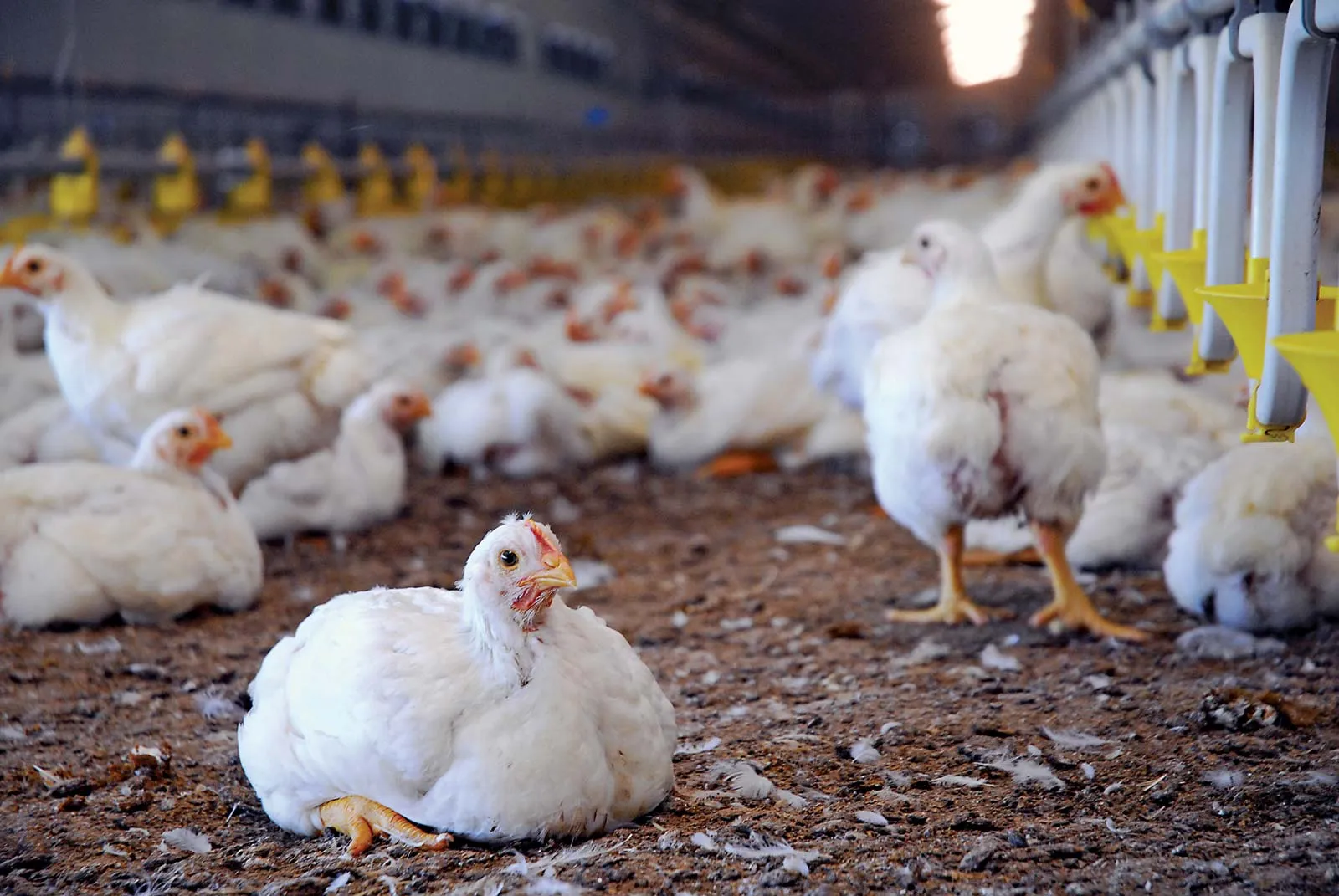
Chicken is the most widely produced meat in the world, and eggs are one of the most affordable sources of protein anywhere. Behind that supply sits a highly organised industry. Understanding how it works helps whether you're thinking of starting a small poultry business or just want to know where your food comes from.
The two sides: meat and eggs
The industry splits into two very different operations.
- Broilers are chickens raised for meat. Modern broiler strains reach market weight in roughly six to eight weeks.
- Layers are hens kept for eggs. A commercial layer typically starts laying at around 18 to 20 weeks and is kept for about a year or more of production.
The birds themselves are different genetic lines. Broilers have been bred for rapid growth, layers for producing an egg almost every day.
How the supply chain is organised
Most commercial poultry is produced through vertical integration, where one company controls most stages:
- Primary breeders develop the genetic lines. A handful of global companies supply most of the world's commercial broiler and layer genetics.
- Breeder farms keep parent flocks that lay fertile eggs.
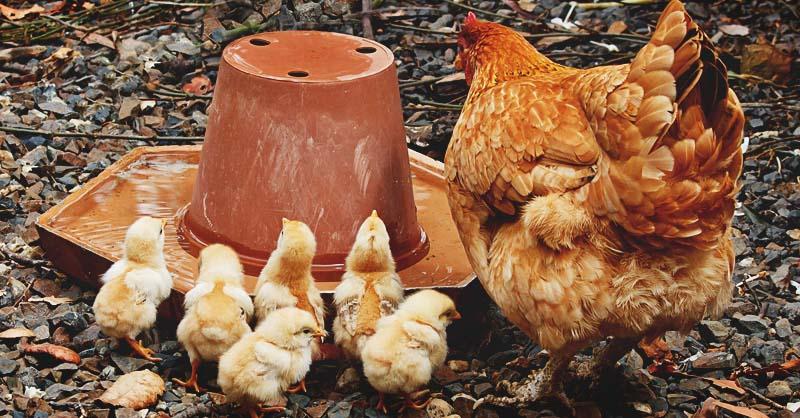
- Hatcheries incubate those eggs and ship day-old chicks.
- Grow-out farms raise the birds. In many countries these are independent farmers under contract, who own the barns while the company owns the birds and supplies feed.
- Feed mills, often company-owned, make the rations.
- Processing plants turn birds into the products on the shelf.
This model keeps costs low and production predictable, but it gives contract growers limited control over prices.
Housing systems
| System | Used for | Basics |
|---|---|---|
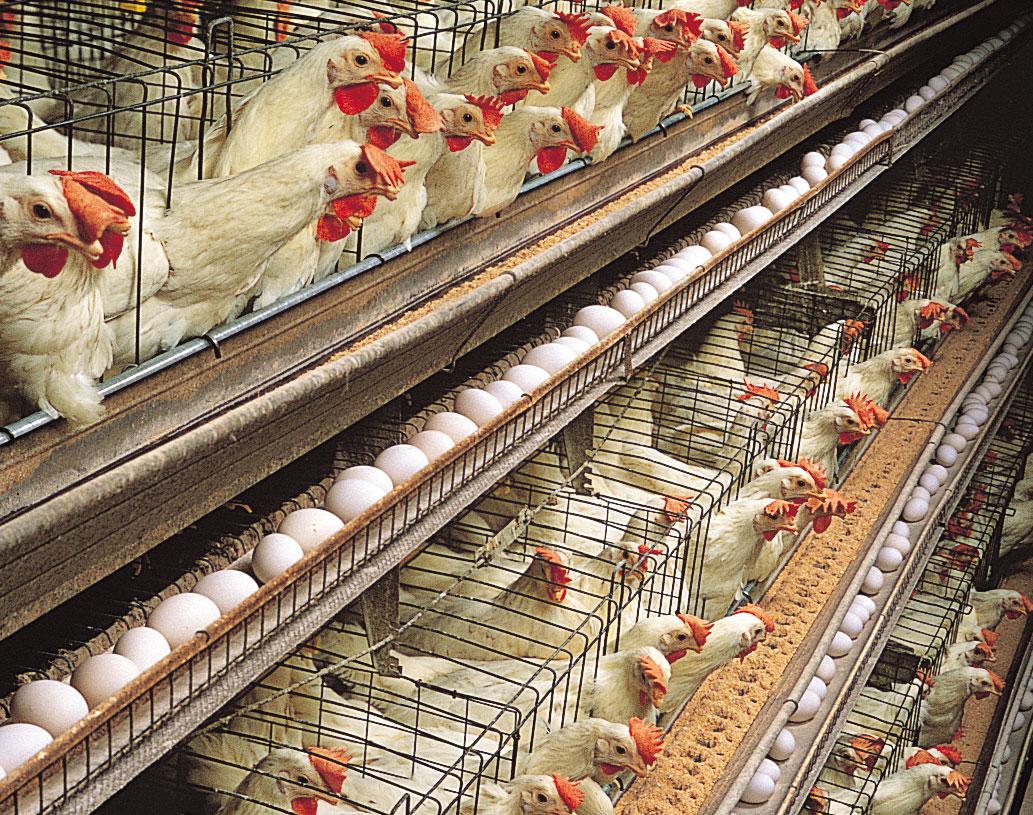
| Conventional cages | layers | several hens per wire cage, being phased out in many places |
| Enriched / colony cages | layers | larger cages with perches, nest area and scratch pad |
| Cage-free barns | layers and broilers | birds loose on the floor of an enclosed barn |
| Free-range | layers and broilers | barn plus access to outdoor areas |
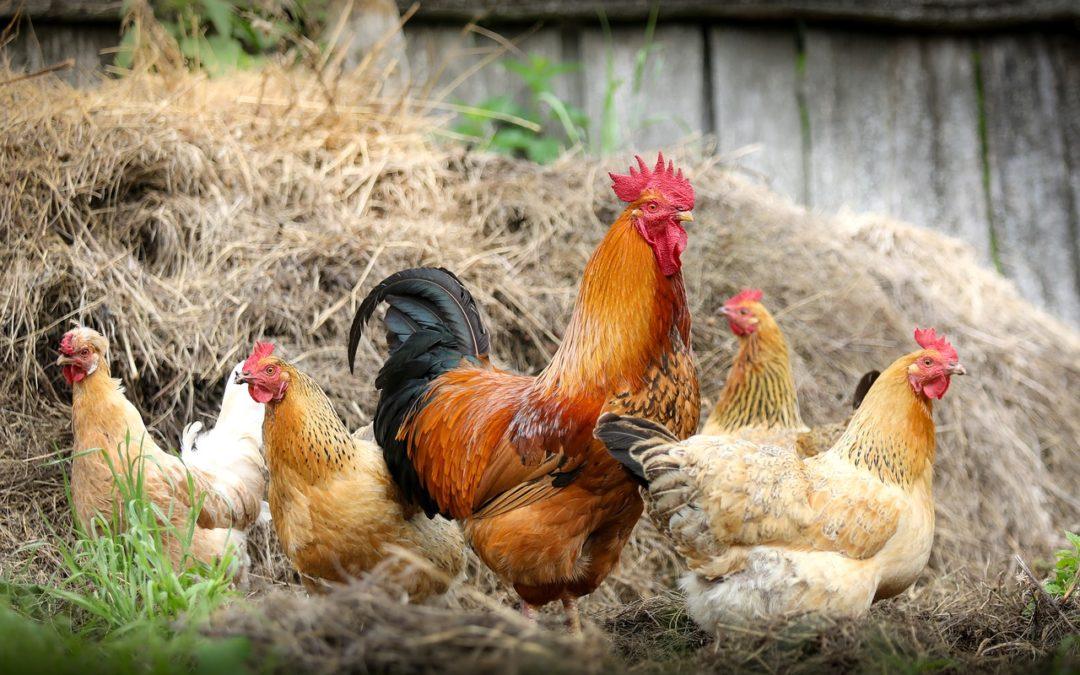
| Pasture-raised | mostly small farms | birds live mainly outdoors on rotated pasture |
Consumer demand and new laws are pushing many egg producers toward cage-free systems. You can read more in our article on battery cages.
Why chicken grew so fast
- Efficiency: chickens turn feed into meat more efficiently than cattle or pigs.
- Short production cycles let farmers respond quickly to demand.
- Few cultural or religious restrictions, so chicken sells in almost every market.
- Low price compared with other meats.
Challenges facing the industry
- Avian influenza outbreaks can force the culling of entire flocks and push up egg prices.
- Animal welfare concerns about fast growth rates, stocking density and cages.
- Antibiotic use, with many countries now restricting routine use in feed.
- Feed costs, which make up the biggest share of production expenses and follow grain prices.
- Environmental impact from manure, water use and feed crops.
Where small farms fit in
Small producers can't compete with industrial farms on price, but they can compete on things the big players struggle to offer: pasture-raised birds, heritage breeds, organic certification, local sales and transparency. Farm-gate eggs, farmers' markets and direct meat sales are where small poultry businesses usually find their customers.
If you're considering starting out, our beginner's guide to broilers is a practical first step.