The Friendliest Chicken Breeds for Families
April 12, 2022
Some chickens tolerate people. Others actively seek them out. If you have children, or you simply want birds that follow you around the garden, choosing a docile breed makes everything easier, from daily handling to health checks.
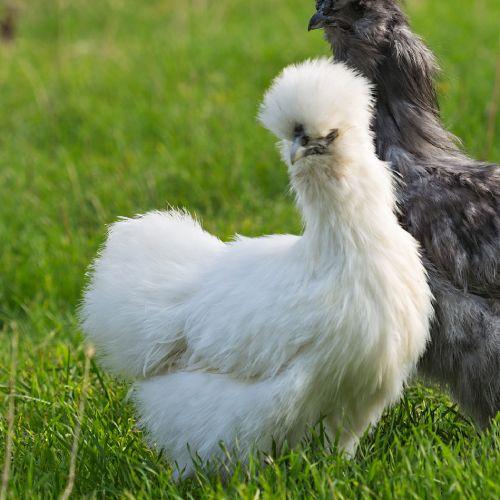
Silkie
Silkies top almost every "friendliest breed" list. They're small, fluffy and remarkably calm, and most will let children pick them up without a fuss. They lay around 100 to 150 small cream eggs a year and go broody often.
Good to know: their fluffy feathers don't shed water, so they need dry shelter. They can't fly, which makes them easy to contain.
Buff Orpington
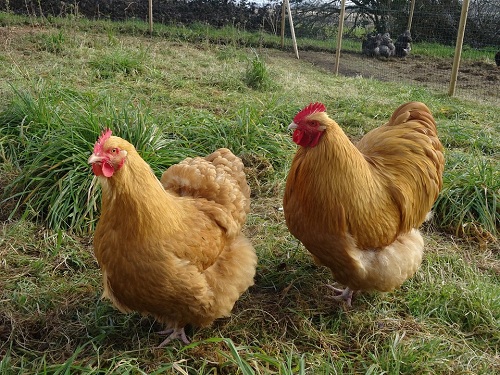
The Buff Orpington is the golden retriever of the chicken world: big, soft, golden and endlessly patient. Hens lay a respectable 180 to 200 light-brown eggs a year and keep going through cold weather.
Good to know: they're heavy birds that can overheat, so provide shade in summer. They also go broody fairly often.
Cochin
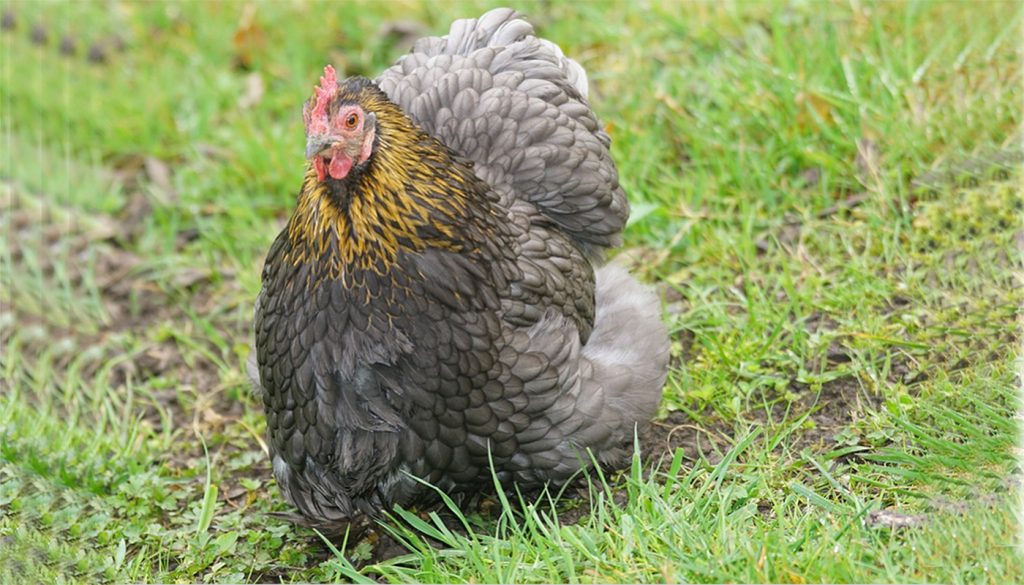
Cochins are huge balls of feathers, right down to their feet. They're slow, gentle and very tolerant of handling, which is why they're popular with families and 4-H kids. Egg numbers are modest, around 150 a year.
Good to know: feathered feet pick up mud, so a dry run and clean bedding matter.
Australorp
Australorps combine a calm, friendly temperament with excellent laying. They're curious without being pushy and settle well in smaller runs.
Brahma
Brahmas are gentle giants. Roosters can top 10 pounds, but the breed is famously placid. They're very cold-hardy and lay well through winter.
Good to know: they need larger doors, nest boxes and low perches to match their size.
Speckled Sussex
Speckled Sussex hens are chatty, curious and often the first bird to investigate what you're doing. They forage well and lay around 250 eggs a year.
How to raise friendly chickens (whatever the breed)
Breed sets the baseline, but how you raise your birds matters just as much.
- Handle chicks early and often. Short, gentle sessions from the first week build trust.
- Bring treats. Mealworms or a handful of scratch teach birds that you mean good things. Keep treats to around 10% of their diet.
- Move slowly and stay low. Chickens see fast movement from above as a predator.
- Pick them up correctly. Support the body with one hand under the breast and keep wings tucked against you.
- Be consistent. Visiting at the same times each day makes the flock relaxed around you.
A note on roosters
Even in calm breeds, roosters can become protective and occasionally aggressive as they mature. If friendliness is your top priority, an all-hen flock is the safest bet.
Pair a few of these gentle breeds with the advice above and you'll have a flock that greets you at the gate. If you also want eggs every day, see the best egg-laying chickens.